
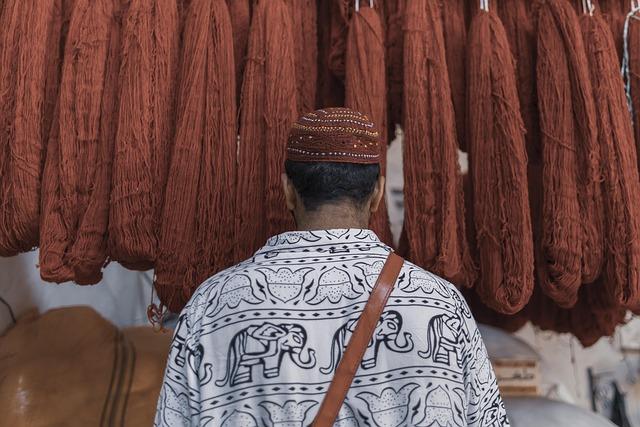
In a world that’s constantly evolving, customary arts and crafts offer a meaningful glimpse into the rich cultural heritage of communities across the globe. these time-honored practices, often passed down through generations, reflect unique histories, values, and artistic expressions that continue to inspire and connect us. Weather it’s the intricate weaving of textiles in South America, the delicate pottery of East asia, or the vibrant beadwork of Africa, exploring traditional crafts provides more than just recognition for their beauty—it’s a journey into the soul of different cultures. Join us as we discover the captivating world of traditional arts and crafts and the stories they tell.
Table of contents
- Exploring the Roots and Cultural Significance of Traditional Arts
- Techniques and Materials in Handcrafted Masterpieces
- Hidden Artisanal Gems and Where to Find Them
- Tips for Supporting Local Artisans and Preserving Tradition
- in summary
Exploring the Roots and Cultural Significance of Traditional Arts
Traditional arts and crafts serve as living chronicles of a community’s history and identity, reflecting centuries of accumulated knowledge, beliefs, and values. Rooted deeply in ancestral practices, these art forms frequently enough use locally sourced materials and techniques passed down through generations. They embody a connection to the land, nature, and spirituality, providing a tangible link between past and present. From the intricate beadwork of Indigenous tribes to the vibrant textiles of Southeast Asia, every piece tells a story of resilience, creativity, and cultural pride.
Beyond their aesthetic appeal, these crafts play significant roles in social and ceremonial contexts. They can symbolize rites of passage, religious devotion, or communal solidarity, reinforcing shared heritage and collective memory. Importantly, traditional arts also contribute to economic sustainability, empowering artisans and preserving their crafts in a rapidly globalizing world. appreciating these art forms requires recognition of their deeper meanings, as well as a respect for the skilled hands and cultural wisdom behind each creation.
- Embroidery techniques that narrate folk tales
- Pottery styles unique to specific regions
- Music instruments crafted by hand
- Traditional tattooing as a form of identity
Techniques and Materials in Handcrafted Masterpieces
Across cultures,artisans harness a diverse array of techniques passed down through generations,transforming simple raw elements into remarkable works of art. From the delicate weaving traditions of Southeast Asia to the intricate metal embossing of Middle Eastern crafts, these methods vary widely but share a commitment to precision and creativity. Hand-carving, embroidery,
When it comes to materials, artisans frequently enough turn to what their habitat generously provides, incorporating sustainably sourced resources that add authenticity and meaning to their creations. These include:
- Locally harvested woods prized for their grain and durability
- Natural fibers such as cotton, silk, or wool spun and dyed using indigenous plant extracts
- Clay and earthenware molded by hand and fired using traditional kiln techniques
- Metal alloys utilized in jewelry and decorative items, shaped using age-old forging or casting
Together, these techniques and materials not only preserve cultural legacies but also invite a deeper appreciation for the artistry embedded in every handcrafted piece.
Hidden Artisanal Gems and Where to Find them
Tips for Supporting Local artisans and Preserving Tradition
When engaging with traditional arts and crafts, prioritize purchasing directly from local artisans whenever possible. This not only ensures that the profits go back into the community but also helps sustain their livelihoods and cultural heritage. Consider exploring local markets, artisan fairs, and workshops where you can meet the creators, learn about their techniques, and gain a deeper appreciation for their craftsmanship. Additionally, sharing their stories and work on social media platforms can definitely help raise awareness and build a broader audience eager to support their craft.
Preserving time-honored traditions requires intentional efforts beyond buying products. Support initiatives that offer training and apprenticeships to younger generations, helping to prevent the loss of valuable skills and knowledge. Look for nonprofits or community projects focused on cultural preservation, and donate if you can. To contribute meaningfully, also try to:
- Buy authentic pieces rather than mass-produced imitations
- Respect the cultural significance behind the art
- Encourage sustainable practices that protect natural resources used in traditional crafts
By embedding these practices into your travels or daily life, you’ll play a key role in keeping these vibrant art forms alive for future generations to discover and cherish.
in Conclusion
Exploring traditional arts and crafts offers a fascinating glimpse into the rich cultural heritage that shapes communities across the globe. Whether it’s intricate weaving,pottery,or wood carving,these timeless practices connect us to the stories and skills passed down through generations. By appreciating and supporting these crafts, we not only preserve valuable traditions but also foster a deeper understanding of the diverse ways people express creativity. So next time you travel or browse a local market, take a moment to discover the artistry behind handmade treasures—they carry a world of history within each piece.