
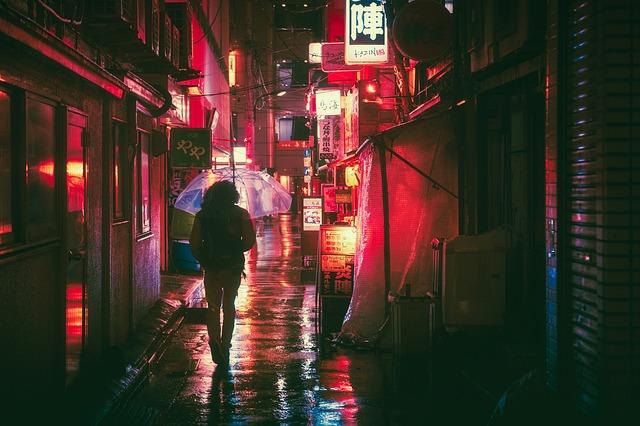
In today’s rapidly evolving urban landscapes, art and street culture have emerged as powerful forces shaping the identity and vibrancy of global cities. From vivid murals adorning city walls to spontaneous performances in public spaces, these creative expressions reflect the diverse voices and stories of urban communities. This article explores how art and street culture influence everything from city planning and tourism to social movements and local economies, highlighting their significant role in defining the character of cities around the world. Whether celebrated or controversial, their presence is undeniable in the fabric of modern urban life.
Table of Contents
- The Influence of Murals and Graffiti in Urban Identity
- Street Art as a Tool for Community Engagement and Social Change
- Balancing Preservation and innovation in City Cultural Policies
- Strategies for Supporting Emerging Artists in Public Spaces
- closing remarks
The Influence of Murals and Graffiti in Urban Identity
Urban landscapes are increasingly defined by the vibrant murals and graffiti that breathe life into or else monotonous city walls. These artistic expressions do more than just beautify; they act as visual narratives that capture the essence and history of neighborhoods. From bold, colorful murals that celebrate cultural heritage to provocative graffiti that challenges social norms, street art serves as a dynamic medium for storytelling and community dialog. Its presence fosters a sense of belonging, inviting residents and visitors alike to engage with the city on a deeper, more personal level.
The impact of this form of urban art goes beyond aesthetics, influencing the city’s identity and social fabric in multiple ways:
- community empowerment: Encouraging local talents and giving voice to underrepresented groups.
- Economic revitalization: Attracting tourism and supporting creative industries around street culture.
- Cultural dialogue: Bridging gaps between diverse populations through shared artistic experiences.
- urban renewal: Transforming neglected areas into cultural landmarks.
Street Art as a Tool for Community Engagement and Social Change
Across urban landscapes, vibrant murals and provocative stencil art have transcended mere decoration to become powerful mediums for dialogue and activism. These visual expressions not only beautify neglected spaces but also serve as catalysts for collective identity and empowerment. Communities often harness street art to spotlight social injustices, celebrate cultural heritage, and foster a sense of belonging among diverse populations. This participatory creativity encourages residents to reclaim public spaces and engage in conversations that might otherwise be ignored by mainstream platforms.
Key impacts of this art-driven community engagement include:
- Amplification of marginalized voices: Street art elevates stories and perspectives through accessible, public-facing visuals.
- Strengthening community bonds: Collaborative mural projects unite individuals across age, ethnicity, and socio-economic backgrounds.
- Driving social change: Art becomes a non-violent tool to challenge policy, inspire activism, and influence public opinion.
- Revitalizing urban neighborhoods: Murals and installations often contribute to economic renewal by attracting tourism and local pride.
Balancing Preservation and Innovation in City Cultural Policies
City cultural policies face the intricate task of honoring historical identity while encouraging contemporary creativity. Striking this balance ensures that urban environments remain vibrant and relevant without sacrificing the legacy that shapes their unique character. Integrating street art, local festivals, and innovative public spaces offers a fresh narrative that complements rather than competes with traditional landmarks. This blending of old and new energizes communities, inviting residents and visitors alike to experience the city’s evolving story firsthand.
Effective strategies often include:
- Collaborative planning between heritage bodies and modern creative industries to foster mutual respect and understanding.
- Adaptive reuse of historic sites, transforming them into hubs for contemporary artistic expression without erasing their past.
- Inclusive policies that empower local street artists and cultural practitioners to shape public spaces in meaningful ways.
By embracing both preservation and innovation, cities cultivate a dynamic cultural atmosphere that is reflective, progressive, and distinctly their own.
Strategies for supporting Emerging Artists in Public Spaces
Encouraging the growth of emerging artists within shared urban environments requires intentional collaboration between city planners, local communities, and cultural organizations. One effective approach is to establish dedicated zones where artists can experiment freely without the pressure of commercialization or strict regulations. These areas not only nurture creativity but also invite public engagement, turning everyday spaces into dynamic galleries. Providing accessible resources—such as workshops, affordable materials, and mentorship programs—can foster artistic advancement while embedding new voices into the city’s cultural narrative.
Beyond physical space, leveraging digital platforms to showcase street art initiatives can extend their reach globally, helping emerging artists gain recognition and build networks.Partnerships with local businesses to display rotating artworks or host pop-up exhibits further integrate art into community life, creating a lasting ecosystem that benefits all stakeholders. Ultimately, ensuring support systems that combine freedom, visibility, and economic opportunities will empower fresh talent to transform public spaces into vibrant expressions of urban identity.
- Establish artist-run studios and co-working spaces in underutilized urban areas
- Incorporate art into city planning through public art commissions and murals
- Provide grants and micro-funding specifically for street art projects
- Encourage collaboration between emerging artists and local businesses
- Use social media campaigns to amplify the reach and impact of public artworks
Closing Remarks
As cities around the world continue to evolve, the vibrant interplay between art and street culture remains a powerful force shaping urban identity and community. From colorful murals that tell local stories to dynamic performances that energize public spaces, these creative expressions offer more than just aesthetics—they foster connection, dialogue, and a sense of belonging. Understanding how art and street culture influence global cities not only helps us appreciate their unique character but also inspires us to support and nurture the creativity that defines the urban experience today. Whether you’re a resident, visitor, or simply a curious observer, there’s no denying that the pulse of a city often beats strongest in its art-filled streets.