
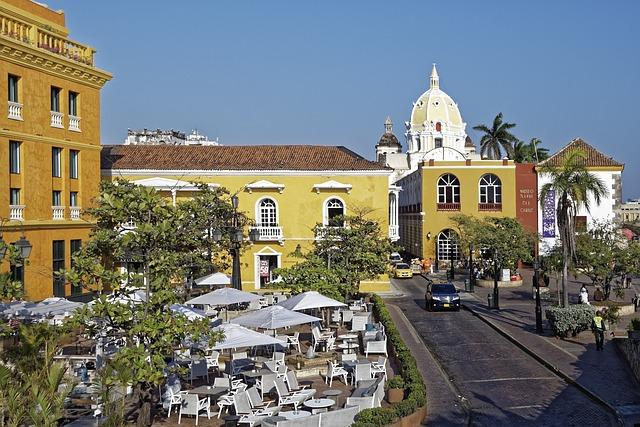
In many parts of the world, the echoes of colonial history continue to resonate through local cultures in subtle—and sometimes striking—ways. From language and cuisine to social traditions and governance, the legacies of colonial rule have left lasting imprints that shape community identities today. exploring how these ancient influences persist can offer valuable insights into the complex tapestry of modern cultural life. In this article, we’ll delve into the ways colonial history has molded local customs and beliefs, highlighting both the challenges and the rich cultural interconnections that have emerged over time.
Table of Contents
- The Enduring Influence of Language and education Systems
- Cultural Syncretism and the Evolution of Traditions
- Economic Structures Rooted in Colonial Legacies
- Strategies for Promoting Inclusive Cultural Preservation
- Future Outlook
The Enduring Influence of Language and Education Systems
Language and education systems introduced during colonial eras have left lasting imprints on societies around the world. These frameworks often served as tools for cultural transmission, but also as mechanisms for control and assimilation. Today, many local cultures navigate a complex landscape where indigenous languages and customary knowledge coexist alongside colonial languages and curricula. This duality can be seen in how national education frequently enough prioritizes colonial languages for official interaction, business, and academic progression, inadvertently marginalizing native tongues and ways of knowing.
However, this dynamic has also sparked powerful movements to reclaim and revitalize indigenous languages and cultural teachings. Efforts include:
- Bilingual education programs that integrate native languages with colonial ones to promote inclusivity.
- Cultural curricula reforms incorporating local histories, philosophies, and art forms into standard schooling.
- Community-led language preservation initiatives that document and teach endangered dialects.
These shifts highlight a growing recognition that language and education are not merely academic subjects but foundational elements of cultural identity and resilience, shaping how communities envision their futures amid a legacy of colonial influence.
Cultural Syncretism and the Evolution of Traditions
In many regions across the globe, traditions have been shaped by the blending of indigenous practices with foreign influences brought by colonial powers. This merging of cultures often results in unique customs that cannot be traced back to a single origin but rather reflect a rich tapestry of historical interactions. For example, local festivals might incorporate European religious rituals alongside traditional music and dance, creating vibrant celebrations that honor both past and present. These syncretic traditions reveal how communities adapt and reinterpret external influences to forge identities that are distinctly their own.
Key elements contributing to this cultural fusion include:
- Adaptation of language and dialects integrating colonial and native terms.
- Evolution of culinary practices blending native ingredients with introduced cooking techniques.
- Religious syncretism, where beliefs and ceremonies merge elements from diverse spiritual systems.
- Art and craftsmanship that mix indigenous motifs with foreign aesthetics and materials.
Understanding these hybrid traditions offers valuable insights into how historical encounters continue to influence societal norms and expressions today, showcasing resilience and creativity in the face of change.
Economic Structures Rooted in Colonial Legacies
The economic frameworks many regions operate within today are direct descendants of colonial systems designed primarily to exploit natural resources and local labor for imperial benefit. These structures often prioritized monoculture economies—such as plantations for cash crops like sugar,cotton,or tea—over diversified industrial development.This legacy left a lasting impact, where many post-colonial societies inherited economies deeply dependent on a narrow range of exports, limiting their ability to foster broad-based economic growth or development of local industries. Such economic imbalances continue to influence global trade patterns and internal wealth distributions, perpetuating inequalities within and between nations.
Moreover, the vrey institutions governing economic activity were shaped by colonial policies, often marginalizing indigenous practices and knowledge systems.For example,traditional land tenure and communal resource management were frequently replaced by privatized ownership models aligned with European concepts of property rights. This shift disrupted social cohesion and altered cultural relationships with land and habitat. key consequences include:
- Displacement of local communities and loss of sovereignty over ancestral lands
- Creation of racial and class hierarchies embedded in economic opportunity
- Persistence of export-oriented economies vulnerable to global market fluctuations
These enduring patterns illustrate how economic legacies are intertwined with cultural and social identities, influencing the lived realities of communities decades after the end of formal colonial rule.
Strategies for Promoting Inclusive Cultural Preservation
ensuring that cultural preservation is inclusive requires a multifaceted approach that respects the diverse voices and experiences within communities shaped by colonial histories. One effective strategy involves actively involving indigenous and marginalized groups in decision-making processes related to heritage conservation. This participatory approach helps to balance historical narratives that might have been overshadowed or misrepresented. Additionally, supporting community-led projects that document oral histories, traditional crafts, and rituals can strengthen the continuity of cultural knowledge without imposing external interpretations or restrictions.
Equally significant is the use of technology to democratize access and participation. Digital platforms offer new avenues to archive and share cultural expressions globally while maintaining local ownership and context. Encouraging educational programs that emphasize intercultural dialog and critical examination of colonial legacies fosters greater empathy and understanding across generations. to facilitate this, initiatives such as:
- Collaborative exhibitions involving multiple cultural groups
- Multilingual resources that reflect diverse community languages
- Policy advocacy for legal protections that recognize intangible heritage
can collectively create a more equitable framework for celebrating and preserving rich, plural cultural identities.
Future outlook
Understanding the lasting impact of colonial history on local cultures helps us appreciate the complex identities and traditions that have emerged over time. While the legacies of colonialism can be challenging and multifaceted, they also reveal stories of resilience, adaptation, and cultural fusion. By recognizing these influences, we gain a deeper perspective on how history continues to shape the communities we certainly know today—and why it’s essential to approach cultural narratives with both awareness and respect.