
When we look around at the rich tapestry of cultures that color our world today, it’s clear that history has played a profound role in shaping who we are.One of the most influential chapters in this ongoing story is colonial history. from language and religion to cuisine and customs, the legacy of colonialism continues to influence local cultures across the globe. In this article, we’ll explore how the past intertwines with the present, revealing the complex ways colonial history shapes modern communities and thier identities. Whether through blending traditions or challenging old narratives, understanding this connection helps us appreciate the diversity and resilience of cultures today.
Table of Contents
- The Legacy of Language and Education in Shaping Cultural Identity
- influence of Colonial Architecture on Contemporary Urban Landscapes
- Traditional Practices and Their adaptation in post-Colonial Societies
- Promoting Cultural Preservation Through Community Engagement and Policy Support
- Future Outlook
the Legacy of Language and Education in Shaping cultural Identity
When colonizers imposed their languages within educational systems, they created a dual reality for indigenous populations: a necessity to adapt for socioeconomic mobility and a complex struggle to preserve ancestral tongues. This linguistic imposition frequently enough became a tool for cultural dominance,shaping identities in profound ways. Many local communities today reconcile the use of the colonial language with native dialects, fostering a unique cultural synthesis.The persistence of native languages alongside colonial ones reflects a resilient refusal to let colonial legacies erase foundational cultural narratives.
Education systems, often designed to propagate the colonizer’s worldview, have left a lasting mark on cultural practices and societal values.However, these influences also sparked a reclamation movement, where communities actively revive traditional knowledge, stories, and languages through choice educational models. This dynamic tension highlights several key outcomes:
- Hybrid cultural identities blending indigenous and colonial heritage
- Renewed emphasis on language revitalization programs in schools and communities
- Critical examination of education curricula for postcolonial narratives
Together, these efforts underscore the intricate role that colonial histories play in both challenging and enriching the cultural identities seen in modern local societies.
Influence of Colonial Architecture on Contemporary Urban Landscapes
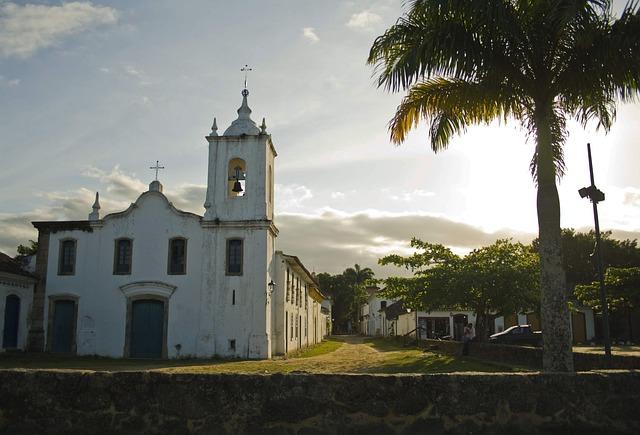
Colonial architecture continues to leave an indelible mark on the skylines and streetscapes of many cities worldwide. These historic structures, with their distinct facades, arches, and courtyards, not only serve as reminders of past political and cultural exchanges but also influence contemporary urban design philosophies. The adaptive reuse of colonial buildings into modern-day museums, cafes, and government offices highlights how these architectural forms have been interwoven into the fabric of local identity. Cities often balance preservation with progress, creating a unique aesthetic that merges heritage with innovation.
Moreover, the legacy of colonial aesthetics can be observed in the planning and spatial association of urban centers. Influences include:
- The hierarchical arrangement of public spaces, reflecting social structures introduced during colonial times.
- Wide boulevards and grid street patterns that facilitate navigation and urban expansion.
- Integration of indigenous design elements juxtaposed against colonial styles, creating hybrid cultural narratives.
These elements collectively contribute to a cityscape that narrates the complex interactions of history, culture, and urban evolution, shaping both communal identity and everyday experiences.
Traditional Practices and Their Adaptation in Post-Colonial Societies
In many post-colonial societies, the resilience of traditional practices stands as a testament to cultural continuity and identity preservation despite the pressures of colonial influence. these practices were not merely retained; they were often transformed, blending indigenous customs with imposed foreign elements to form unique cultural expressions. as a notable example, festivals, rituals, and artisanal crafts frequently incorporate hybrid aesthetics, reflecting both ancestral heritage and colonial legacies. This fusion has allowed communities to assert a renewed sense of pride and autonomy, turning traditions into dynamic living practices that resonate with contemporary realities.
Adaptation has involved nuanced negotiations, where local populations selectively embraced, resisted, or reinterpreted colonial norms to better suit their worldviews. This can be seen in:
- Language: Indigenous languages intertwined with colonial tongues, creating new dialects or pidgins that facilitate communication while preserving linguistic identity.
- Social Structures: Traditional leadership roles were often redefined, blending customary authority with new political frameworks established during and after colonization.
- Religious Practices: Syncretism emerged, merging native spiritual beliefs with introduced religions, resulting in distinctive worship forms and sacred rituals that are unique to each community.
ultimately, these adaptations illustrate a complex cultural resilience—where the past is neither erased nor frozen but continually reshaped, proving that tradition and modernity can coexist and enrich each other in post-colonial contexts.
Promoting Cultural Preservation Through Community Engagement and Policy Support
Community engagement serves as a vital pillar in safeguarding the intangible heritage passed down through generations. By fostering spaces where local narratives, traditional arts, and indigenous languages can thrive, communities reclaim agency over their cultural identities often disrupted by ancient colonial forces. Initiatives such as cultural festivals,oral history projects,and participatory workshops empower residents to actively contribute to the preservation and revitalization of their heritage. These grassroots efforts not only strengthen social cohesion but also counteract cultural homogenization by celebrating diversity in all its forms.
Effective policy support complements this ground-level activism by providing the necessary frameworks and resources to sustain cultural preservation in the long term.Governments and institutions must prioritize inclusive policies that recognize and protect cultural rights, while facilitating access to education and funding for heritage-related projects. Key strategies include:
- Legal recognition of indigenous lands and cultural sites to prevent exploitation or erasure.
- Integration of local history and languages into school curricula to nurture pride and awareness among younger generations.
- Support for community-led museums, archives, and cultural centers as platforms for storytelling and learning.
Through such combined efforts, cultural preservation transforms from mere nostalgia into a dynamic process of resilience and adaptation, honoring both the past and the evolving identity of modern communities.
Future Outlook
In exploring how colonial history continues to shape modern local cultures, it becomes clear that the past is intricately woven into the present. From language and traditions to social structures and identity, the legacies of colonialism are complex and multifaceted. Understanding this connection helps us appreciate the rich diversity and resilience of communities around the world, while also acknowledging the challenges they face. As we move forward, a thoughtful reflection on history can guide more respectful and inclusive approaches to preserving and celebrating cultural heritage today.