
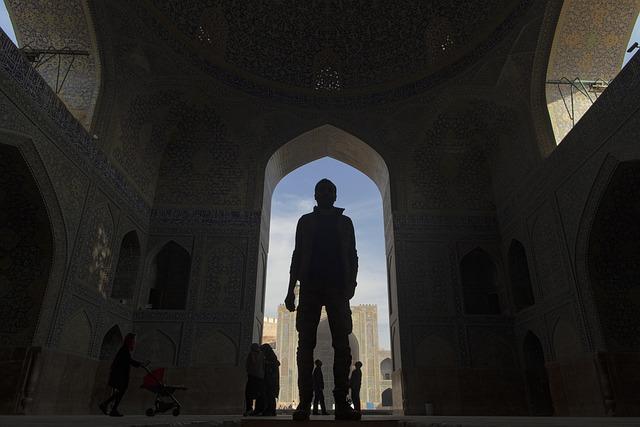
In today’s interconnected world, cultural tourism has become more than just a way to explore new destinations—it’s a dynamic force shaping the identities and livelihoods of local communities. From small villages preserving ancient traditions to vibrant cities showcasing diverse cultural expressions, travelers eager to experience authentic local heritage are driving changes that ripple through economies, social structures, and the habitat. This article delves into how cultural tourism impacts local communities today,highlighting both the opportunities it creates and the challenges it presents.Whether you’re a curious traveler or a community advocate, understanding this relationship offers valuable insights into the future of travel and cultural preservation.
Table of Contents
- The Economic Impact of Cultural Tourism on Local Businesses
- Preserving Traditions While embracing New Visitors
- Fostering Community Involvement and Empowerment
- Strategies for Sustainable growth in Cultural Tourism
- Future Outlook
The Economic Impact of Cultural Tourism on Local Businesses
Cultural tourism acts as a vital catalyst for enhancing local economies by directly boosting revenue streams for small businesses, artisans, and service providers. Visitors attracted to unique traditions, festivals, and past sites often spend more generously on authentic experiences and locally crafted products, creating a ripple effect that uplifts the entire community. This dynamic not only supports traditional crafts but also inspires entrepreneurial ventures such as boutique hotels, culturally themed cafes, and guided tours, all of which contribute to a diversified and resilient local economy.
The infusion of cultural tourism generates a range of economic benefits that extend beyond immediate sales, including:
- Job creation in sectors like hospitality, transportation, and retail
- Increased tax revenues allowing municipalities to invest in infrastructure and public services
- Preservation incentives helping maintain cultural landmarks and traditions that otherwise might deteriorate
- Expanded market reach for small producers who gain international exposure through tourism channels
Such outcomes underline the integral role cultural tourism plays, not just as a source of income, but as a driver of sustainable community advancement and innovation.
Preserving Traditions While Embracing new Visitors
Local communities often find themselves at a crossroads, balancing the desire to maintain their rich cultural heritage with the inevitable influx of new visitors. This dynamic creates both opportunities and challenges, encouraging community members to actively participate in preserving their traditions. Through collaborative efforts,they ensure that age-old customs—such as traditional crafts,rituals,and storytelling—are shared authentically,not diluted by commercial pressures. these efforts foster a strong sense of identity that empowers locals to proudly showcase their heritage while welcoming respectful curiosity from tourists.
Integrating newcomers into the cultural fabric often involves carefully curated experiences that highlight the uniqueness of the community without overwhelming it. Key approaches include:
- Hosting interactive workshops that invite visitors to learn traditional skills firsthand
- Organizing cultural festivals where locals and tourists celebrate together
- Creating sustainable tourism practices that prioritize environmental and social well-being
By embracing these practices, communities cultivate a mutually enriching exchange that benefits both residents and travelers, ensuring cultural vitality and economic sustainability coexist harmoniously.
Fostering Community Involvement and Empowerment
Engaging local residents as active participants in cultural tourism initiatives transforms communities from mere destinations into vibrant storytellers of their heritage. When locals are empowered to share their traditions, crafts, and history, they cultivate a sense of pride and ownership that strengthens social bonds. This dynamic interaction frequently enough leads to the creation of grassroots projects, such as community-led festivals, artisan cooperatives, and heritage workshops, which not only celebrate cultural identity but also generate sustainable economic opportunities.
Key benefits of community involvement include:
- Enhancing authentic visitor experiences through genuine local narratives.
- Promoting cultural preservation by valuing traditional knowledge and practices.
- Encouraging stewardship and sustainable management of cultural resources.
- Creating inclusive spaces where diverse voices contribute to shared development goals.
By placing community empowerment at the heart of tourism development, destinations evolve in ways that respect local values and foster resilience, ensuring that cultural heritage continues to thrive for future generations.
Strategies for Sustainable Growth in Cultural Tourism
To foster longevity in cultural tourism,communities must emphasize the importance of collaboration between local stakeholders,including artisans,historians,and tourism operators.By creating platforms where these groups can share resources and knowledge, communities ensure the authenticity of their cultural offerings remains intact while catering to evolving visitor interests. Additionally, investing in educational programs that highlight the significance of heritage preservation encourages both locals and tourists to participate actively in safeguarding cultural landmarks.
key approaches to sustainable growth include:
- Community-led initiatives: Empower locals to design experiences that reflect their traditions and values.
- eco-kind infrastructure: Develop tourism facilities that minimize environmental impact, ensuring natural and cultural sites remain pristine.
- Diverse marketing strategies: Promote lesser-known destinations to spread visitor traffic and reduce over-tourism.
- Continuous feedback loops: Use visitor insights and community input to refine offerings and address emerging challenges.
Future Outlook
In today’s interconnected world, cultural tourism continues to play a vital role in shaping local communities. By fostering appreciation for heritage and traditions, it not only boosts economies but also encourages sustainable development and cross-cultural understanding. As travelers seek authentic experiences, communities have the prospect to share their unique stories while evolving in ways that honour their past and embrace the future. Ultimately, the ongoing relationship between cultural tourism and local communities highlights the importance of thoughtful engagement—ensuring that preservation and progress go hand in hand.